Why Is Vintage Photography Becoming Popular Again?
What Does This Style Mean?
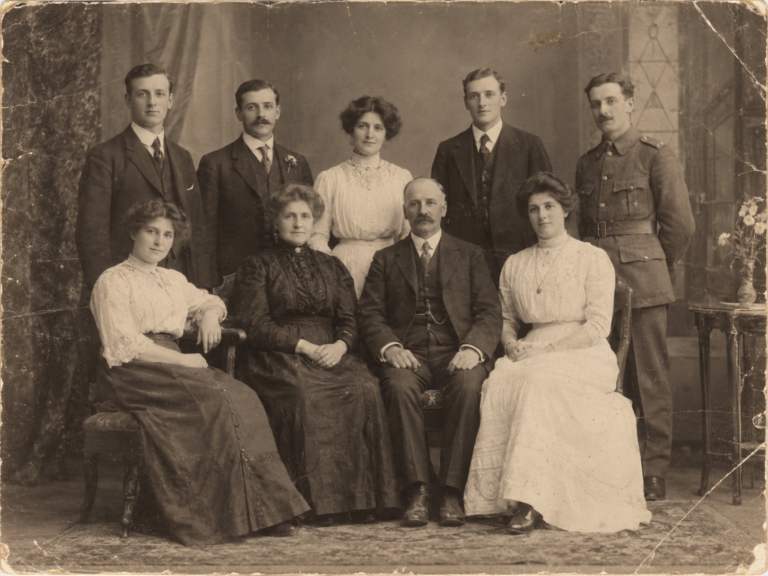
Vintage photography describes images inspired by photographic styles from earlier decades. The look may include muted colours, gentle contrast, visible grain, or monochrome tones, depending on the reference period. However, vintage photography is not one fixed filter. A faded family snapshot differs from a crisp studio portrait. Understanding those differences helps you choose a consistent direction. Vintage photography can involve actual film or digital images edited with a film inspired approach; the method should be described clearly.
Nostalgia Gives Photographs Personal Meaning
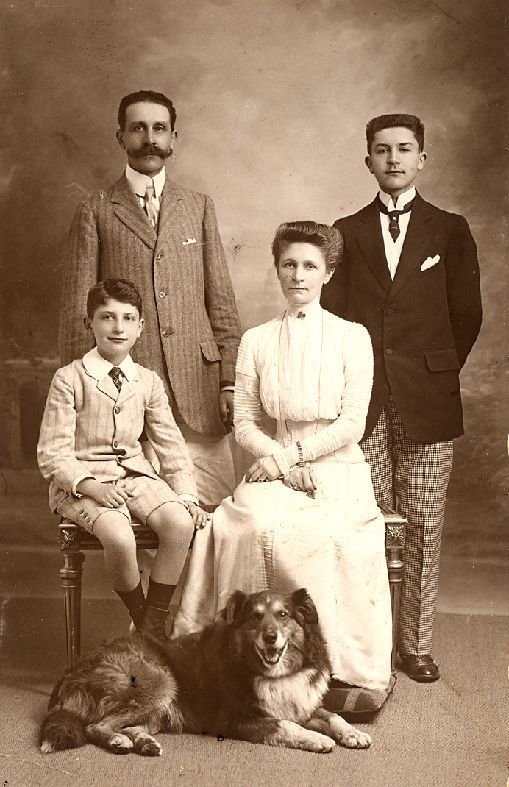
One appeal of vintage photography is its connection to memories. Familiar colours, album layouts, and printed photographs can remind viewers of family histories, holidays, and celebrations. That emotional response is personal rather than guaranteed. Vintage photography may feel comforting to one person and unfamiliar to another. Choosing references connected to your own story makes the style more meaningful. For a couple, family, or portrait session, vintage photography can draw inspiration from cherished albums without copying every detail. Clothing, surroundings, and expressions should still reflect the people being photographed.
Character Beyond a Polished Finish
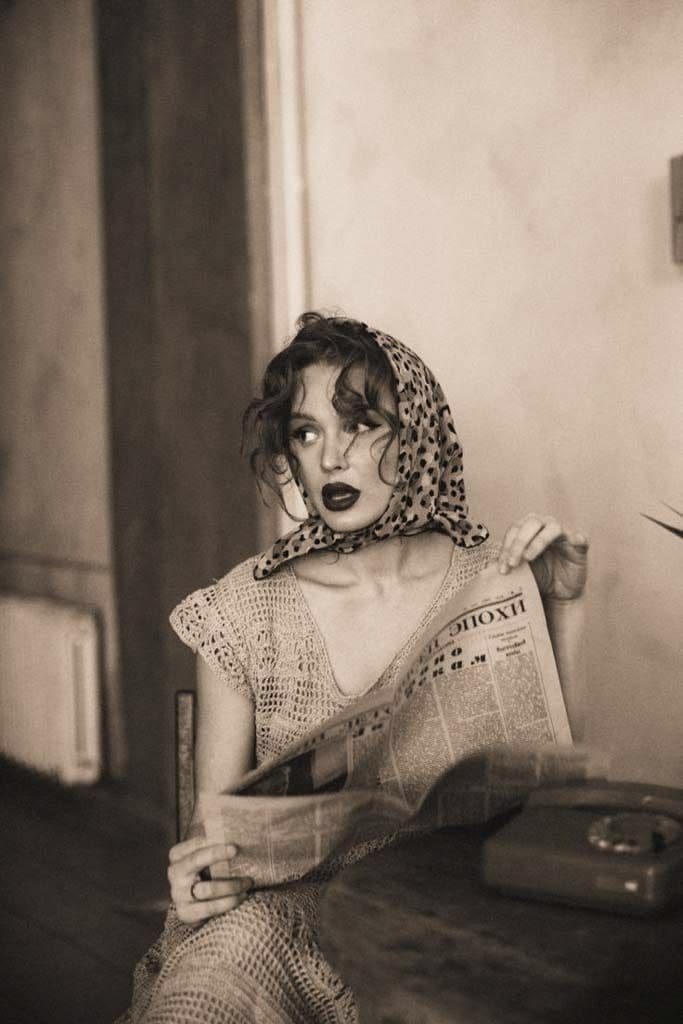
Vintage photography offers another visual direction for people who enjoy texture and atmosphere. Gentle grain or softer contrast can support a quiet portrait, while direct flash may suit a different retro reference. Nevertheless, imperfections do not automatically create authenticity. Vintage photography still benefits from intentional framing, suitable exposure, and expressions that communicate something. Excessive blur or heavy effects can hide important details. Good vintage photography uses its visual treatment to strengthen the photograph rather than distract from the subject. The aim is a coherent image with personality, not a collection of random effects.
Film Makes the Process Different
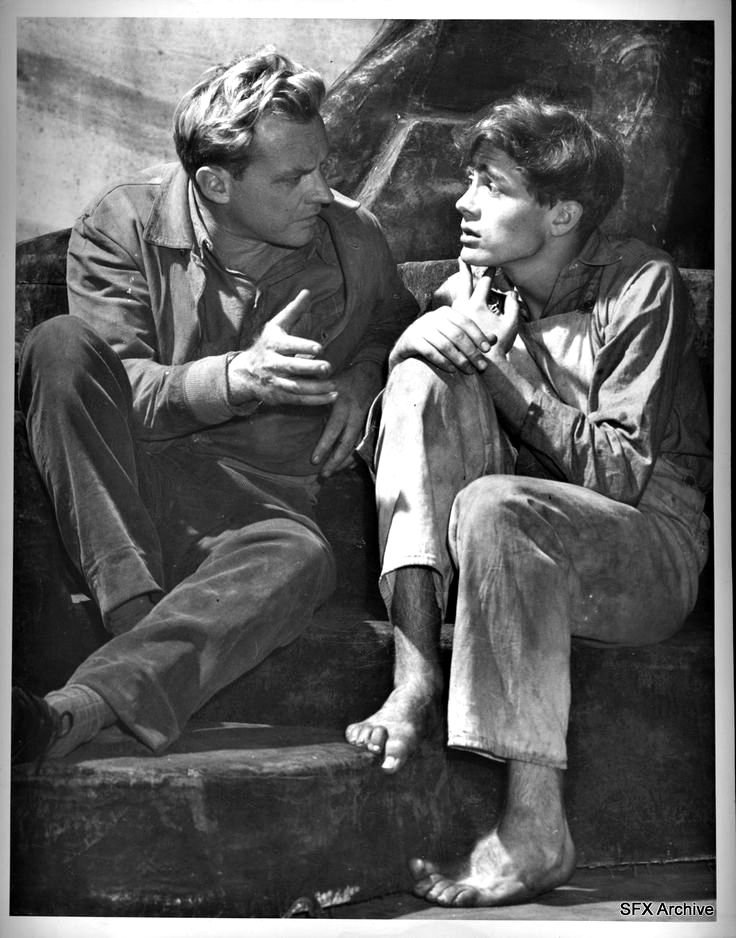
For some photographers, vintage photography includes the experience of using film. A roll has a limited number of exposures, which can encourage more deliberate decisions about timing and composition. Film also involves development, scanning, and a wait before reviewing results. These practical differences matter when planning vintage photography for an event or personal session. Discuss costs, turnaround times, and delivery formats beforehand. Vintage photography created digitally can offer another route, particularly when immediate review or flexible editing matters. Neither method guarantees stronger emotion; the photographer’s choices and the subject’s connection remain essential.
Creating a Thoughtful Vintage Look
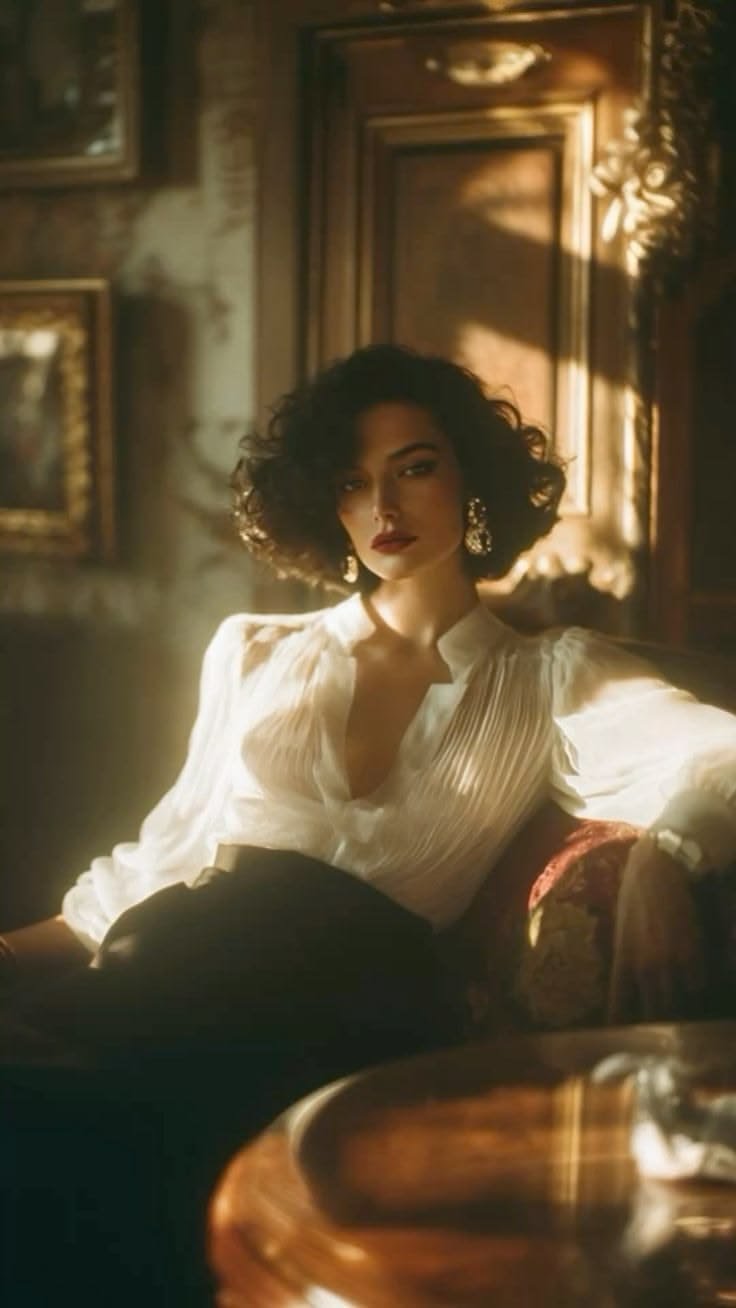
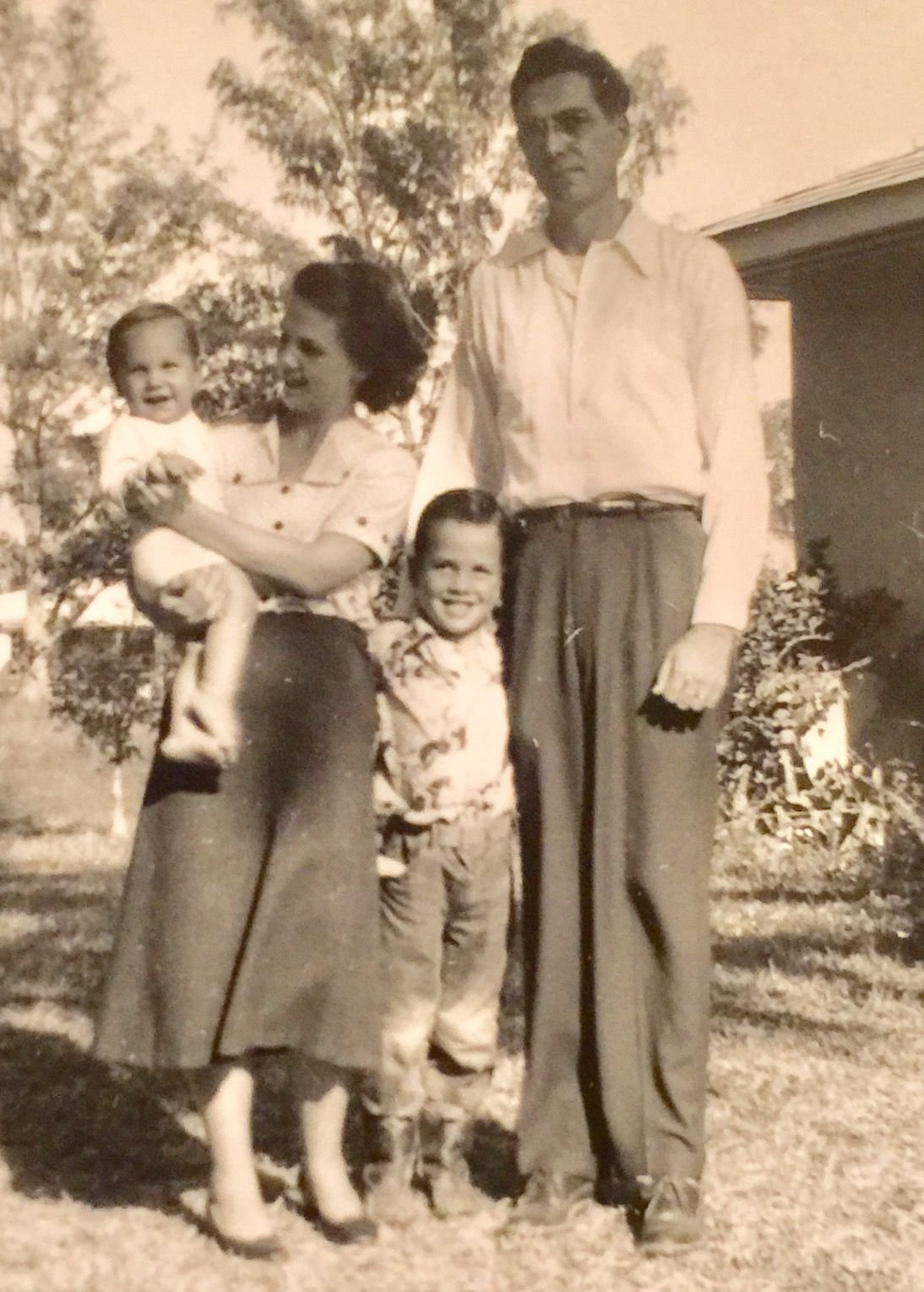
Start vintage photography with a clear reference rather than a preset. Consider whether you prefer warm colour, subdued saturation, monochrome, or a particular decade’s portrait style. Choose lighting and locations that support that direction. Window light, textured walls, and simple backgrounds can work well, but each scene needs careful assessment. During editing, vintage photography should preserve believable skin tones and useful detail in clothing. Apply grain and colour adjustments selectively. For vintage photography, compare the edited image with the original to check whether the atmosphere improves without making faces muddy or bright areas featureless.
Creating a Thoughtful Vintage Look
Start vintage photography with a clear reference rather than a preset. Consider whether you prefer warm colour, subdued saturation, monochrome, or a particular decade’s portrait style. Choose lighting and locations that support that direction. Window light, textured walls, and simple backgrounds can work well, but each scene needs careful assessment. During editing, vintage photography should preserve believable skin tones and useful detail in clothing. Apply grain and colour adjustments selectively. For vintage photography, compare the edited image with the original to check whether the atmosphere improves without making faces muddy or bright areas featureless.
Styling Your Shoot With Vintage Details
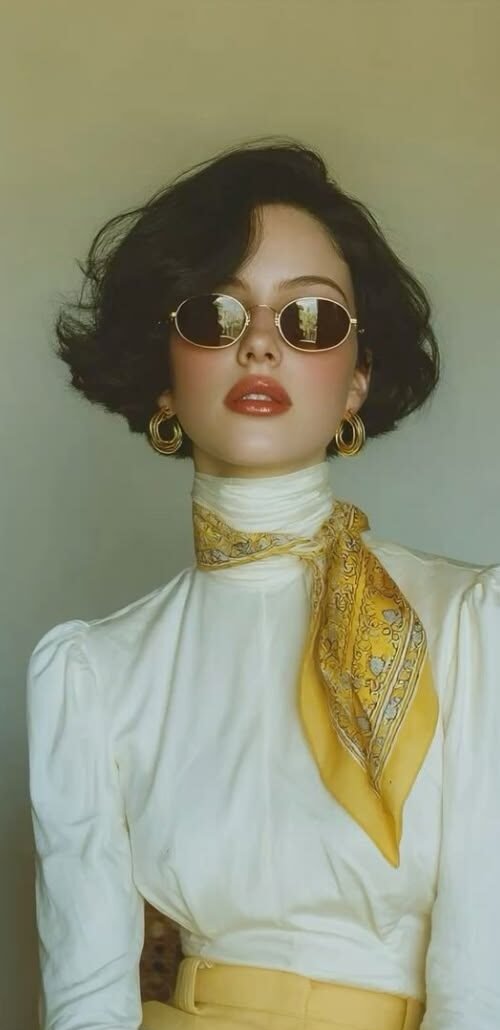
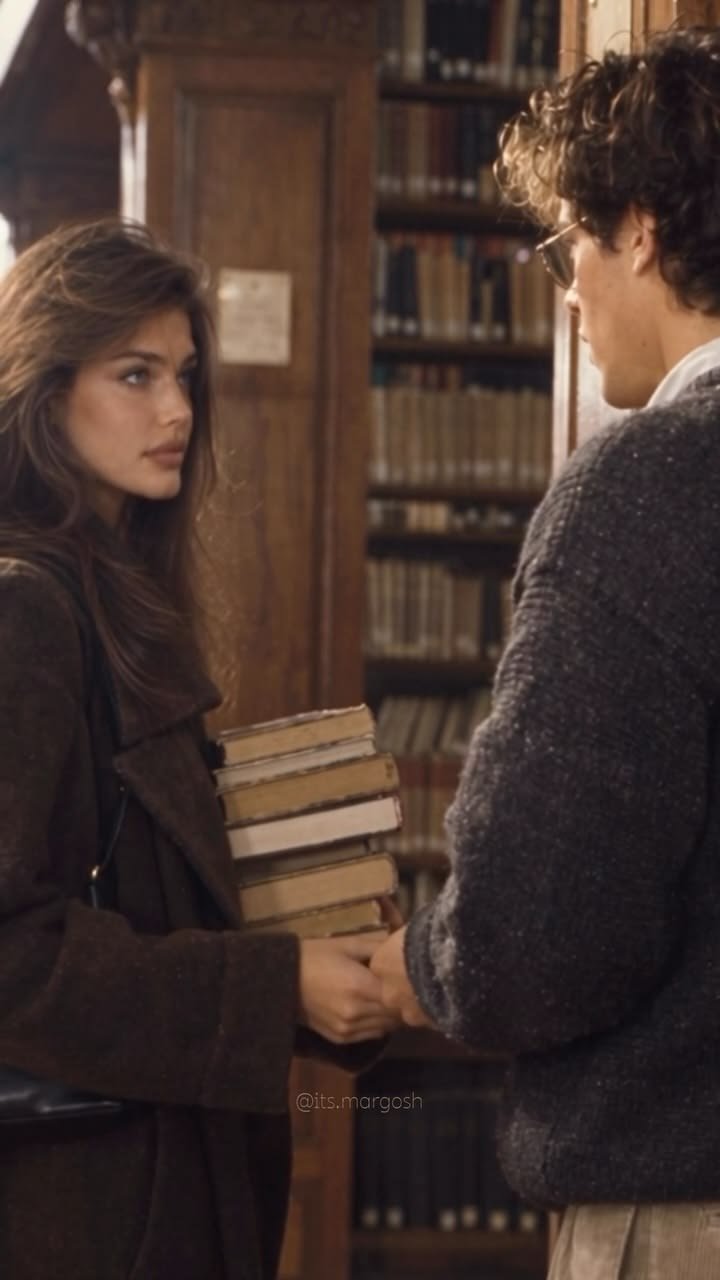
Styling for vintage photography begins with choosing a period or mood that feels personal. A portrait inspired by an old family album may need different clothing and surroundings from a glamorous cinema-inspired shoot. Start with a few thoughtful details: textured fabrics, simple jewellery, an older chair, or a meaningful family keepsake. You do not need every object in the frame to look antique. Too many props can draw attention away from the person being photographed. For vintage photography, consider how clothing colours work with the location and intended edit. Muted shades can support a softer palette, while stronger contrasts may suit monochrome portraits. Share outfit photographs with your photographer beforehand so you can discuss the overall look. The strongest styling choices support your personality and allow comfortable movement throughout the session.
Natural Expressions Make the Story Personal
Vintage photography can feel more personal when expressions and gestures have room to develop. Instead of holding a complicated pose, try a simple activity such as walking, looking through an album, or talking with someone beside you. Gentle direction can still help. Your photographer may suggest turning towards the light, adjusting your posture, or moving to a quieter background. The purpose is to create a comfortable setting where your expression remains recognisable. For couples and families, vintage photography can include shared laughter, small gestures, and relaxed interactions alongside carefully composed portraits. Discuss your comfort level before the shoot, especially if you feel nervous in front of a camera. A photograph does not become meaningful simply because it looks old. Its personal value often comes from the people, relationships, and memories it preserves.
Bringing Your Photographs Into Printed Albums
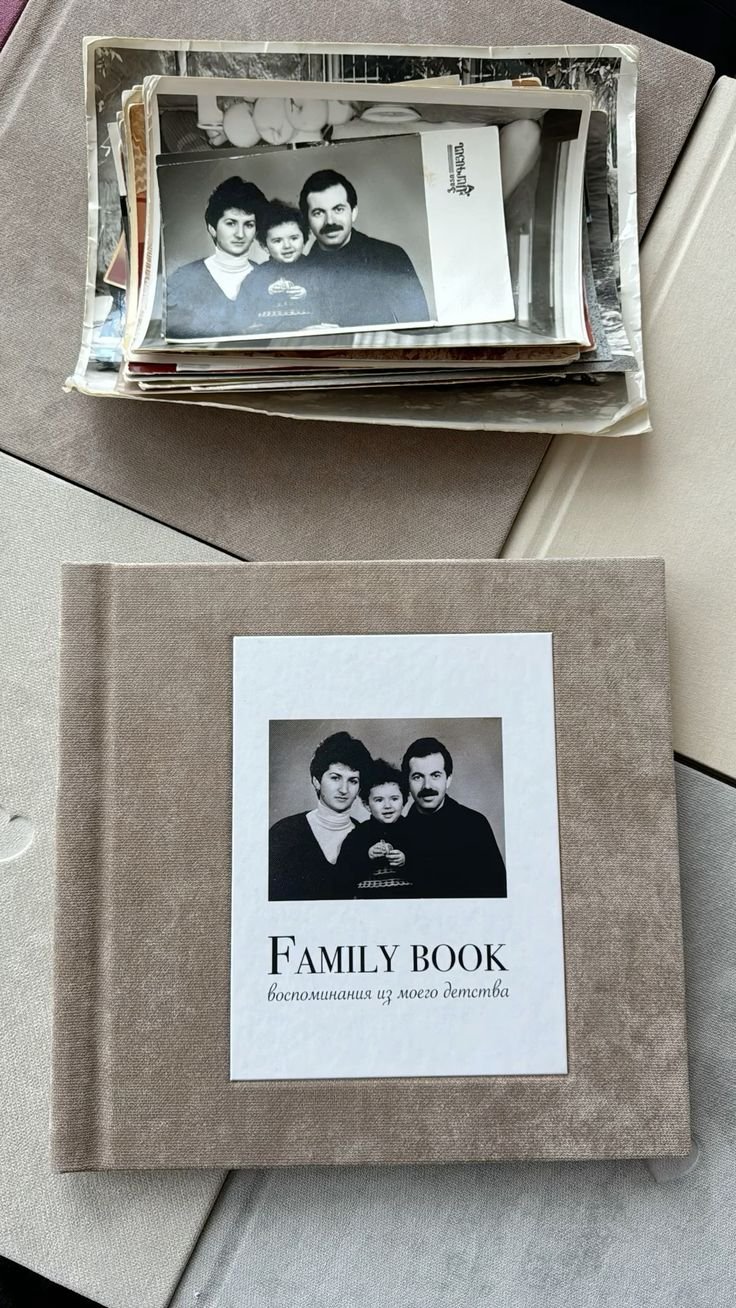
Printed photographs offer a different way to enjoy vintage photography. An album lets you arrange portraits, candid moments, and small details into a story that can be revisited without opening a screen. Before ordering, ask your photographer or printer about paper finishes and request a sample when possible. Matte and textured papers may suit some images, but the best choice depends on contrast, colour, and the level of detail you want to preserve. For vintage photography, check that the print retains facial detail and that deliberately faded tones remain visible. Digital previews and physical prints can look different, so a test print is useful before producing a complete album. Keep a separate backup of your original digital files. Store printed photographs away from direct sunlight and damp conditions, and use materials intended for photographic storage to help protect them.
Planning Your Session With Frames in Pocket
When discussing vintage photography with Frames in Pocket, share reference images and explain which qualities attract you. Specify your preferred mood, clothing ideas, location, and whether you want prints alongside digital files. Ask whether the proposed approach uses film, digital capture, or both, and confirm what the package includes. Vintage photography works best when expectations are clear and the visual style suits your story. Its appeal lies in the opportunity to create photographs with atmosphere, thoughtful detail, and personal meaning. A successful session balances creative choices with moments you will still recognise and value years later. Before booking, review a complete gallery to see whether the photographer maintains that approach across different subjects, settings, and lighting conditions.
What is vintage photography?
Vintage photography is a style inspired by photographs from earlier decades. Depending on the reference, it may feature muted colours, film grain, soft contrast, or monochrome tones. It can be created using film cameras or digital techniques; not every vintage image needs faded colours or an aged appearance.
Why is vintage photography becoming popular again?
Vintage photography is a style inspired by photographs from earlier decades. Depending on the reference, it may feature muted colours, film grain, soft contrast, or monochrome tones. It can be created using film cameras or digital techniques; not every vintage image needs faded colours or an aged appearance.
Why is film photography popular with Gen Z?
For people accustomed to smartphones, film offers a different photographic experience. Limited exposures encourage thoughtful choices, and waiting for development adds anticipation. Vintage photography created on film can also produce distinctive grain and colour characteristics, although results depend on the film stock, exposure, processing, and scanning.
Can digital photos be made to look vintage?
Yes. Digital vintage photography uses lighting, composition, styling, and editing to recreate qualities associated with older photographs. Selective adjustments to colour, contrast, and grain can help establish the look. Start with a clear reference and preserve facial detail instead of applying heavy effects to every image.
Do I need a film camera for vintage photography?
No. You can create vintage photography with a smartphone or digital camera using thoughtful lighting, suitable surroundings, and careful editing. Film offers a different process, but it is not essential to achieving the aesthetic. Before booking a session, ask which method your photographer uses and confirm the costs, delivery timeline, and included files.
What should I wear for a vintage photography session?
For vintage photography, choose outfits that suit your preferred era or mood while allowing comfortable movement. Textured fabrics, simple accessories, and classic silhouettes can work well. Share outfit ideas with your photographer beforehand to check how they complement the location, lighting, and intended editing style.
Is vintage photography suitable for weddings and family portraits?
For vintage photography, choose outfits that suit your preferred era or mood while allowing comfortable movement. Textured fabrics, simple accessories, and classic silhouettes can work well. Share outfit ideas with your photographer beforehand to check how they complement the location, lighting, and intended editing style.
How do I choose a photographer for a vintage-style shoot?
When choosing someone for vintage photography, review complete galleries rather than only selected highlights. Look for consistent editing, visible facial detail, and a style you enjoy. Ask whether they use film or digital capture, then confirm the session price, delivery timeline, editing options, and whether prints are included.